


The first half of 2025 has seen an alarming escalation in the Vietnamese government’s crackdown on fundamental freedoms. This period has been marked by a series of trumped-up charges against activists, the unprecedented labeling of a respected refugee aid organization as a “terrorist” group, and the imposition of new legal frameworks designed to have a chilling effect on civil society.
Despite ongoing scrutiny from human rights organizations and democratic states, the regime has intensified its efforts to silence dissent by eliminating any and all perceived threats through imprisonment and the vague application of national security laws.
CIVICUS—an alliance of organizations and activists that works to strengthen citizen action and civil society all over the world—once again rates the state of civic space in Việt Nam as “closed,” a rating the country has held since 2018 that reflects the Vietnamese government’s systematic attempts to crush any form of opposition.
Latest Developments in Freedom of Association
In 2025, particular attention has been paid to religious leaders and minority rights activists who dare to speak out.
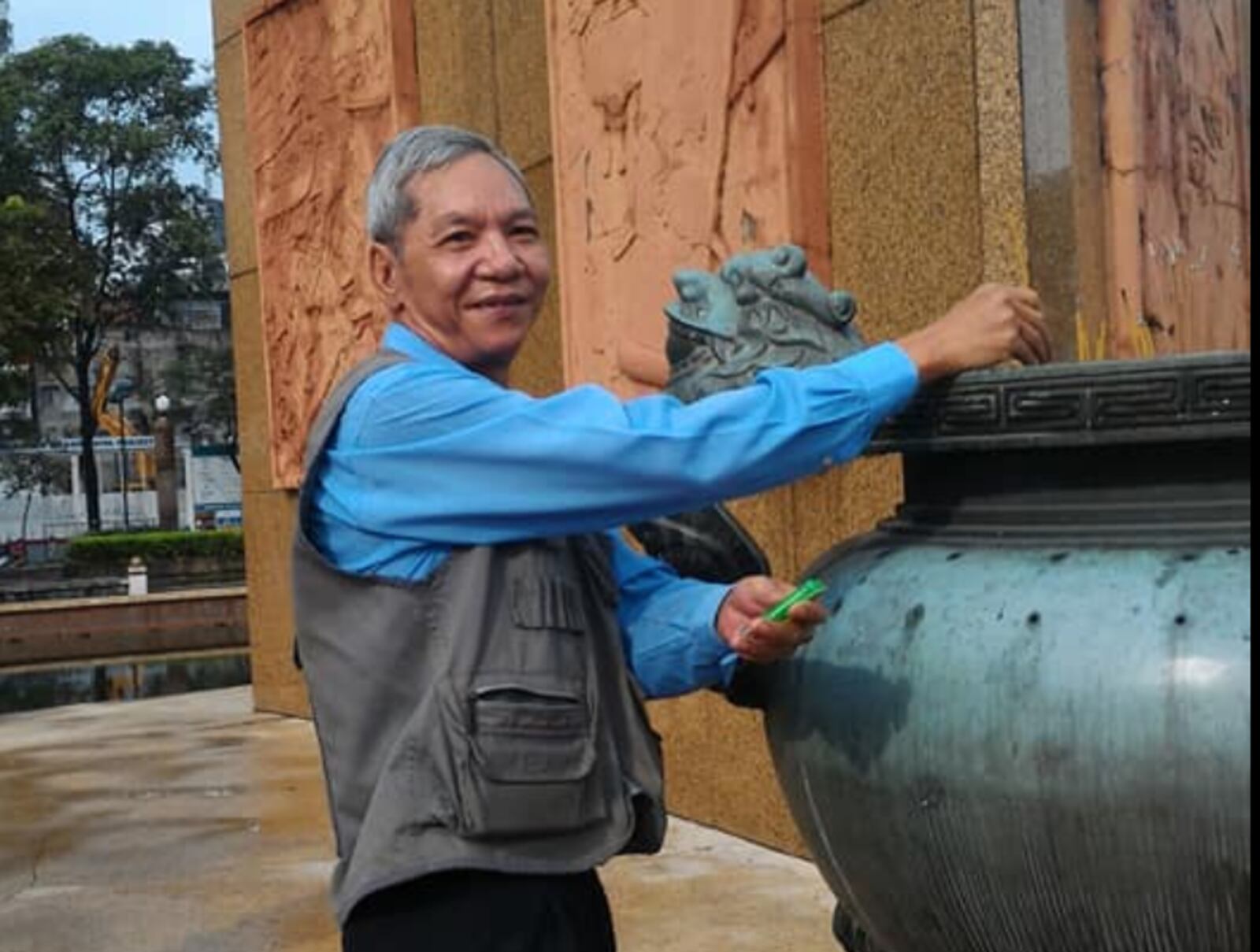
In January 2025, 71-year-old Protestant pastor Nguyễn Mạnh Hùng was arrested in Hồ Chí Minh City for allegedly spreading “anti-state propaganda” in a Facebook post. The raid on his home by the Vietnamese authorities also led to the brief detention of his son, Nguyễn Trần Hiền, and the seizure of several phones and laptops. Pastor Hùng was formally charged under the notoriously broad Article 117 of Vietnam’s Penal Code.
Prior to his arrest, pastor Hùng was a staunch advocate for religious freedom and was a member of the Interfaith Council of Việt Nam. He had also attended several international events to educate others about the ongoing religious oppression of minorities in his home country.
The crackdown continued in March 2025, when police in Đồng Nai province arrested 28-year-old Quách Gia Khang for attempting to overthrow the government under Article 109 of the Criminal Code. Authorities alleged that he was a member of the France-based Assembly for Democracy and Pluralism and had used social media to promote the group’s agenda. According to Radio Free Asia (RFA), Khang was the second member of the group to be arrested in 6 months.

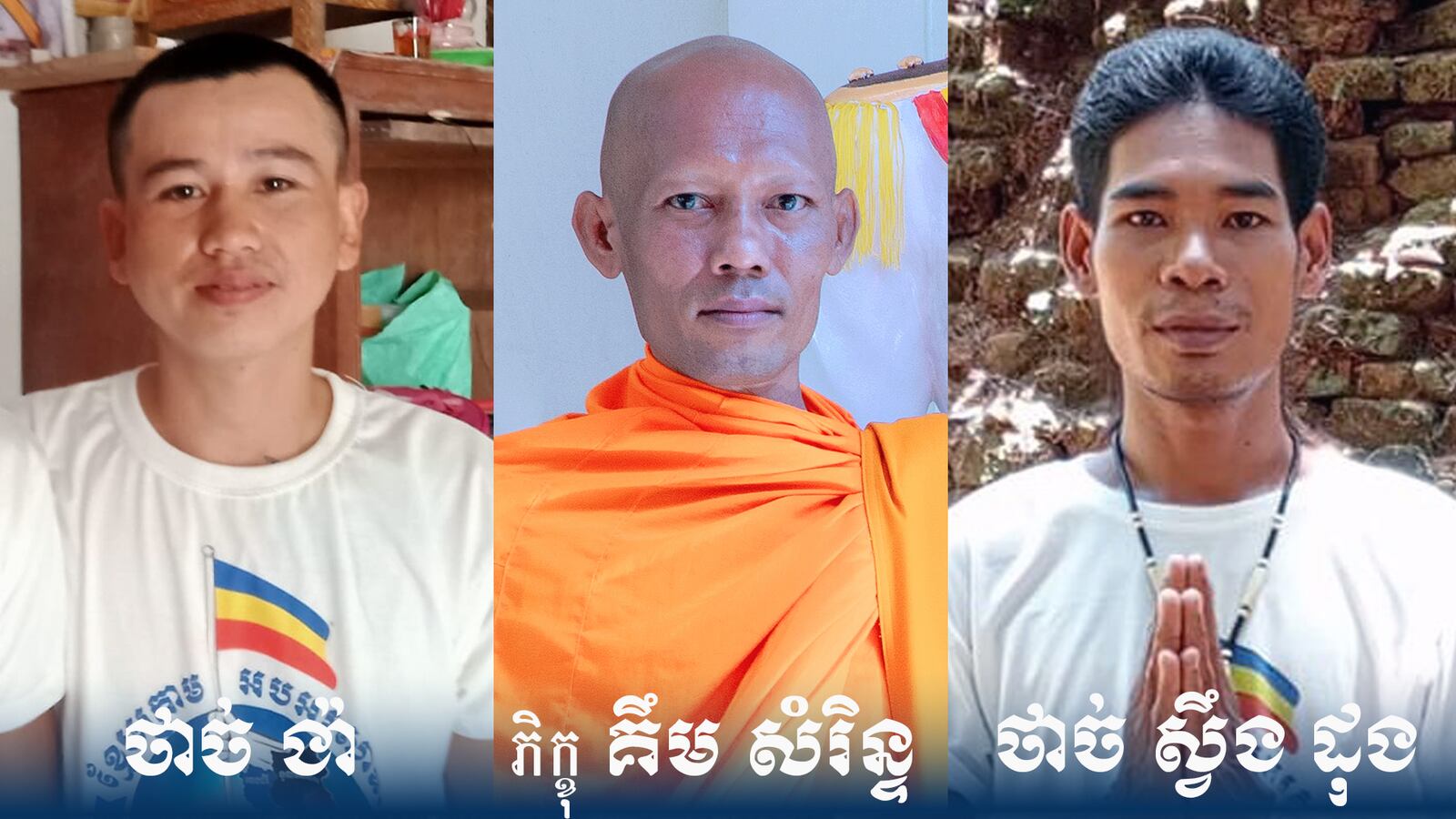
That same month, on March 27, 2025, the Vietnamese authorities targeted the ethnic Khmer Krom minority community in Trà Vinh Province, arresting Venerable Kim Som Rinh along with two activists, Thạch Nga and Thạch Xuân Đồng.
They were charged under Article 331 for “abusing democratic freedoms,” an action widely seen as part of the ongoing repression of the Khmer Krom people—who have faced severe restrictions on freedom of expression, assembly, and movement. In March 2024, Kim Som Rinh was defrocked by the Vietnam Buddhist Sangha, stripping him of his monk status in an attempt to further prevent the Khmer Krom people from expressing their cultural identity.
The Vietnamese government has also shown it will not hesitate to bring new charges against those already imprisoned. In April 2025, Human Rights Watch reported that prominent human rights activist Trịnh Bá Phương, who was already serving a 10-year prison sentence for criticizing the government, faced new charges of spreading anti-state propaganda.
His alleged “crime” was creating signs in November 2024 that read, “Down with the Communist [Party of] Việt Nam for violating human rights.” Phương, who hails from a family of land rights activists, has campaigned for human rights and environmental protection for the past two decades. He has also endured repeated harassment, intimidation, and physical assaults at the hands of the police. Legal experts argue that Phương’s case is cause for concern. Việt Nam’s history of suppressing political prisoners and criminally charging them for expressions made in prison is unprecedented.
BPSOS Branded a Terrorist Organization
In a move that sent shockwaves through the international community, Việt Nam’s Ministry of Public Security (MPS) officially designated the refugee aid organization Boat People SOS (BPSOS) as a terrorist group in February 2025. On its official Facebook page, MPS alleged that the organization supports anti-government groups under the guise of “refugee relief.”
BPSOS, which was founded in the 1980s to rescue “boat people” fleeing Việt Nam by sea, now focuses on assisting victims of religious persecution and human trafficking within the country. BPSOS Executive Director Nguyễn Đình Thắng asserted that the “terrorist” designation was an intimidation tactic aimed at silencing those who dare to speak out about government repression.
Latest Developments in Freedom of Expression
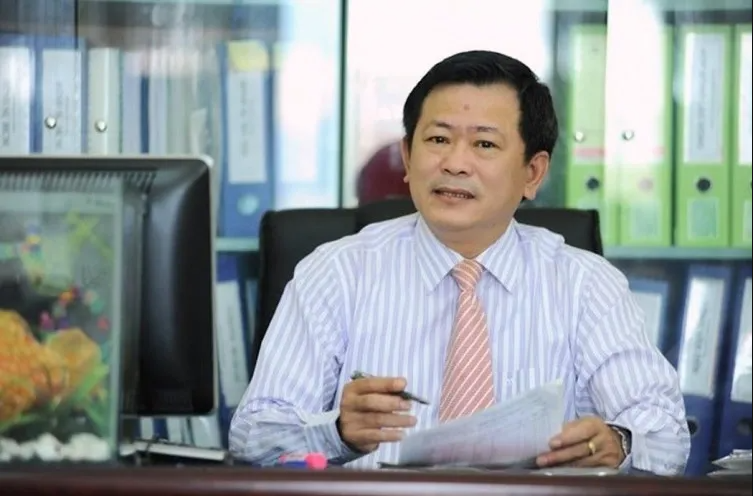
Freedom of expression in Việt Nam has also been under assault. In January 2025, Trần Đình Triển, the former deputy chair of the Hà Nội Bar Association, was sentenced to three years in prison for “abusing democratic freedoms,” with the court claiming his 2024 Facebook posts had damaged the reputation of the judiciary. On May 30, 2025, an appellate hearing was convened which upheld the original sentence.
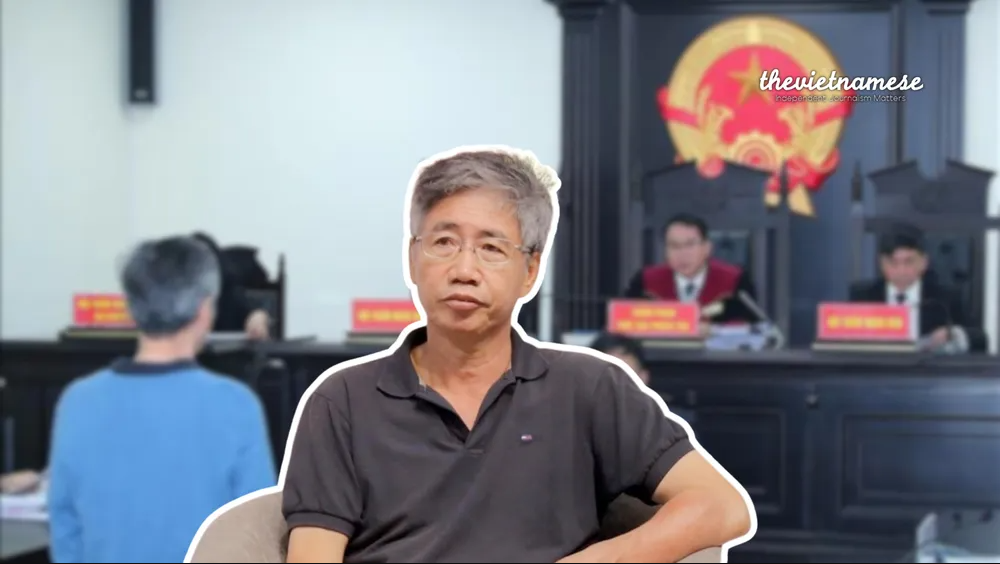
Similarly, on Feb. 27, 2025, a court in Hà Nội sentenced prominent independent journalist Trương Huy San, known by his pen name Huy Đức, to 30 months in prison. He was convicted under Article 331 for 13 writings posted on his personal Facebook page between 2015 and 2024. Human Rights Watch notes that the scope and reach of Article 331 has been extended further into Vietnamese society to target anyone who voices criticism of the Communist Party.
The censorship extends beyond individuals to international media. A May 24, 2025, print edition of The Economist was banned in Việt Nam because it featured General Secretary Tô Lâm on the cover with two bright yellow stars as his eyes. While the accompanying article was generally positive and underscored the need for continued economic reforms, various local distributors in the country were ordered to stop circulating it.
Finally, Việt Nam moved to block the popular messaging app Telegram in the first week of June 2025. The directive, issued on May 21, 2025, ordered telecommunication providers to implement measures aimed at preventing Telegram’s operations with a deadline of June 2.
The government justified the move by claiming the app had become a hub for a wide range of illicit activities, from disseminating “anti-state documents” and selling user data to having links with terrorists and illegal drug traders. This action is seen as part of the government’s broader efforts to police digital platforms that operate in Việt Nam.
—
It has been seven years since CIVICUS first rated Việt Nam’s civic space as “closed.” The first half of 2025 only proves that the government is committed to keeping its streak alive. Its methodical assault on dissent—waged through trumped-up charges, the weaponization of the law, and blanket acts of censorship—is not the action of a confident, powerful regime.
It is a crystal clear reflection of the deep-seated insecurity festering in the heart of the one-party state. The government appears to operate under the belief that if it jails enough journalists, intimidates enough activists, and silences enough platforms, it can achieve lasting stability. But history offers a different, more pointed lesson: a fortress built on silence is, ultimately, a fortress built on sand.
—
CIVICUS’ update can be accessed here.


